 Language
 前に戻る
前に戻る



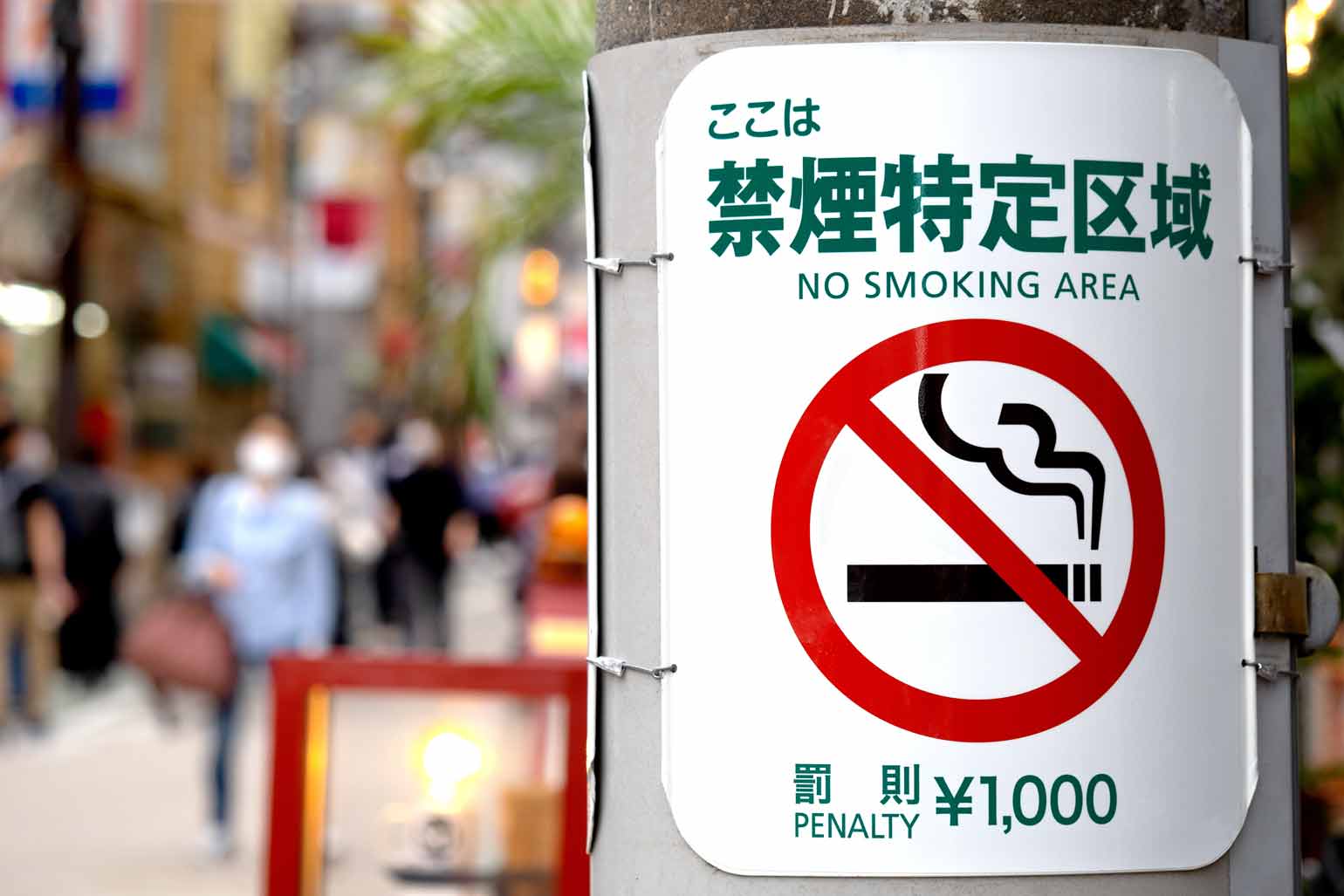
This time, we would like to tell about “Manners during travel” that we would like to remind everyone visiting Japan primarily for travel purposes to keep in mind. Many people from overseas are now coming to Japan for various purposes such as business, travel, study abroad and etc. Because of that, it has changed considerably from just about ten years ago, and we see many more people from overseas. Lately, it seems quite a few people have been staying or living here long-term. We believe that the increased opportunities to interact with people from different cultural countries are truly a welcome development for us Japanese in many ways. In recent years, the number of visitors coming to Japan specifically for travel has increased significantly. Not only major urban areas and famous tourist destinations;… it seems some travelers make their way to fairly local regions and places. The explosive increase in opportunities for individuals to share information through social media and video sites has made it easy to gather vast amounts of information — perhaps the biggest reason for them. Thanks to that, it’s become much easier to obtain real and concrete information than before, right? It has become very easy to research and learn about customs and manners in different cultural spheres… However, precisely because it has become too easy, it often seems that these things are no longer considered very important. It’s quite often the case that actions you take for granted as perfectly normal in your own country can actually be behaviors that violate common customs or manners in other countries or regions. Long-term residents and those living here generally adhere well to such common customs and manners, but among those visiting as tourists, there are inevitably some who engage in behavior that goes against them. We have introduced several such customs and manners on this site as well, and we would like to encourage you to review them once again. Well, it goes without saying that when we Japanese visit other countries and regions, we similarly need to properly learn such things… Below are some points that overseas visitors, especially those traveling for tourism, often overlook. Please use them as a reference.
Not make a fuss
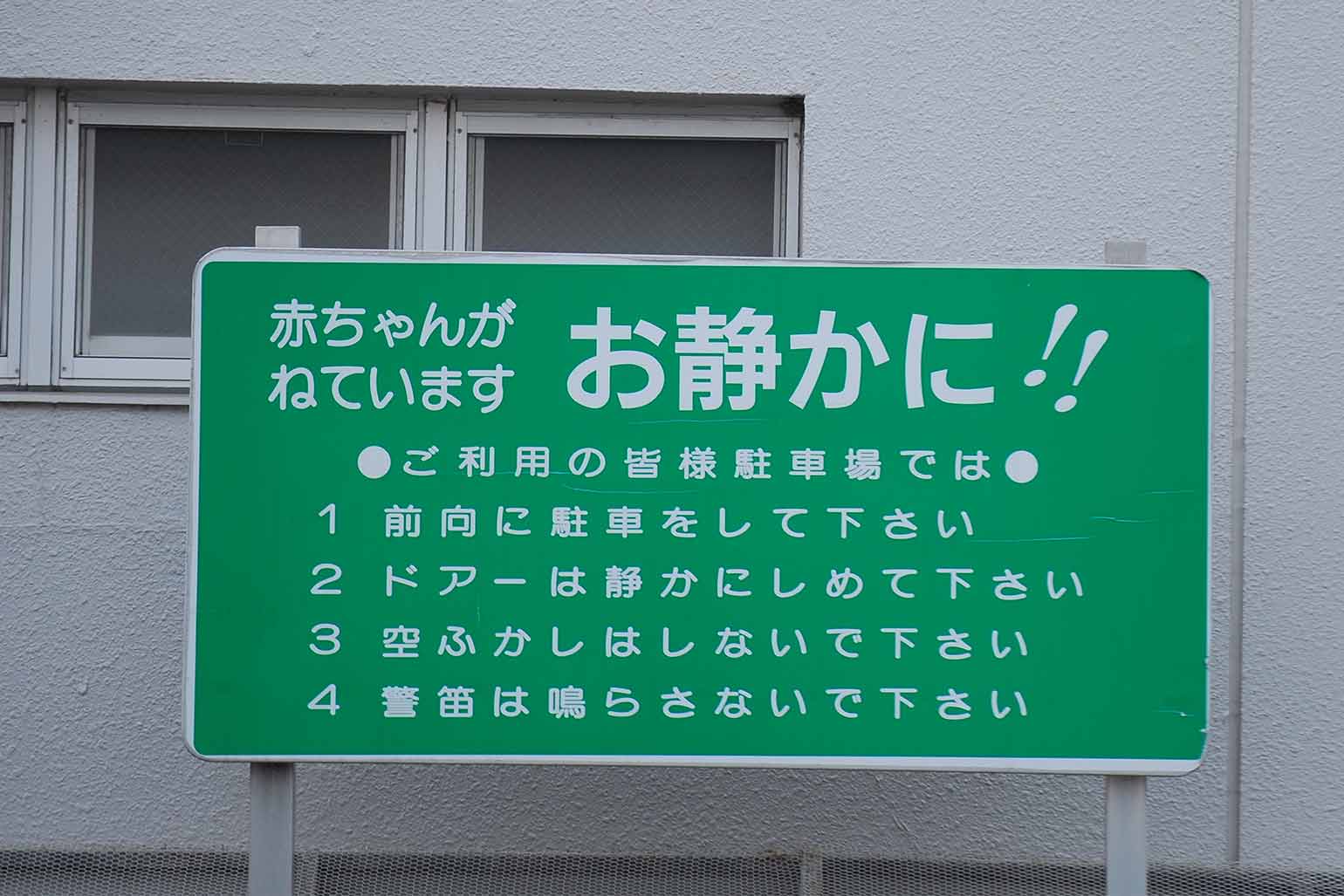
This is a topic we have previously discussed in detail in an article titled “Not make a fuss” on this site. On public transportation such as trains, buses, and airplanes, as well as at their facilities. Additionally, at restaurants, commercial facilities, and so on… There are quite a few places where it’s considered common manners not to speak loudly or make noise. How loud does it have to be to be considered rude? Well, it varies depending on the area and situation, so it’s difficult to give a precise answer. However, we would appreciate it if you could observe the surrounding atmosphere and people in that area and subtly discern these things. The joyful mood while traveling is very important, and of course we can relate to that. Having a great time at entertainment facilities designed for lively fun is perfectly fine. However, in areas that form part of the local community’s daily life, please respect the local customs and manners.
Regarding baggage travel
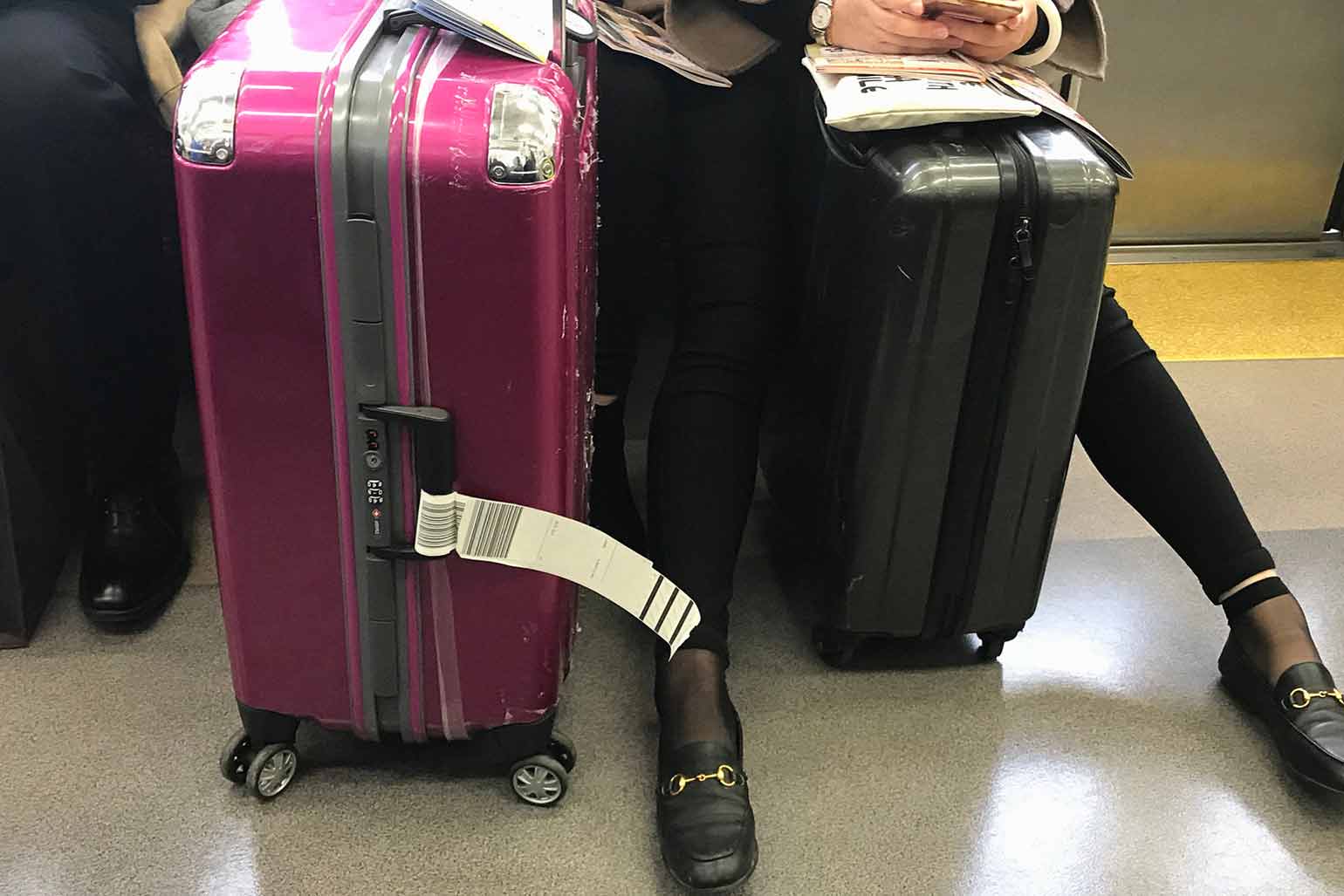
Suitcases, carry-on bags, large backpacks, and so on — when traveling, you inevitably end up with a lot of luggage. For many people who frequently travel abroad, it will be a matter of course. If there are places like lodging facilities or lockers where you can store your luggage, it’s best to leave your large carry-on items there. However, it can be a real hassle when you’re en route to your destination or there’s no luggage storage available, right? In recent years, as the number of overseas visitors has increased significantly, issues concerning the luggage of them, particularly on trains and buses, have become increasingly common. For other users, they tend to get in the way far too often. It’s unavoidable that people traveling will have more luggage. However, it’s quite common to see luggage occupying another seat or carelessly placed in the aisle or elsewhere. These often lead to troubles as well. Many people use the public transportations for their daily commutes to work or school. Keep your carry-on luggage to a minimum when traveling. Also, if you have large luggage that cannot be avoided, please be considerate and try not to inconvenience others as much as possible.
Regarding photo / video shooting
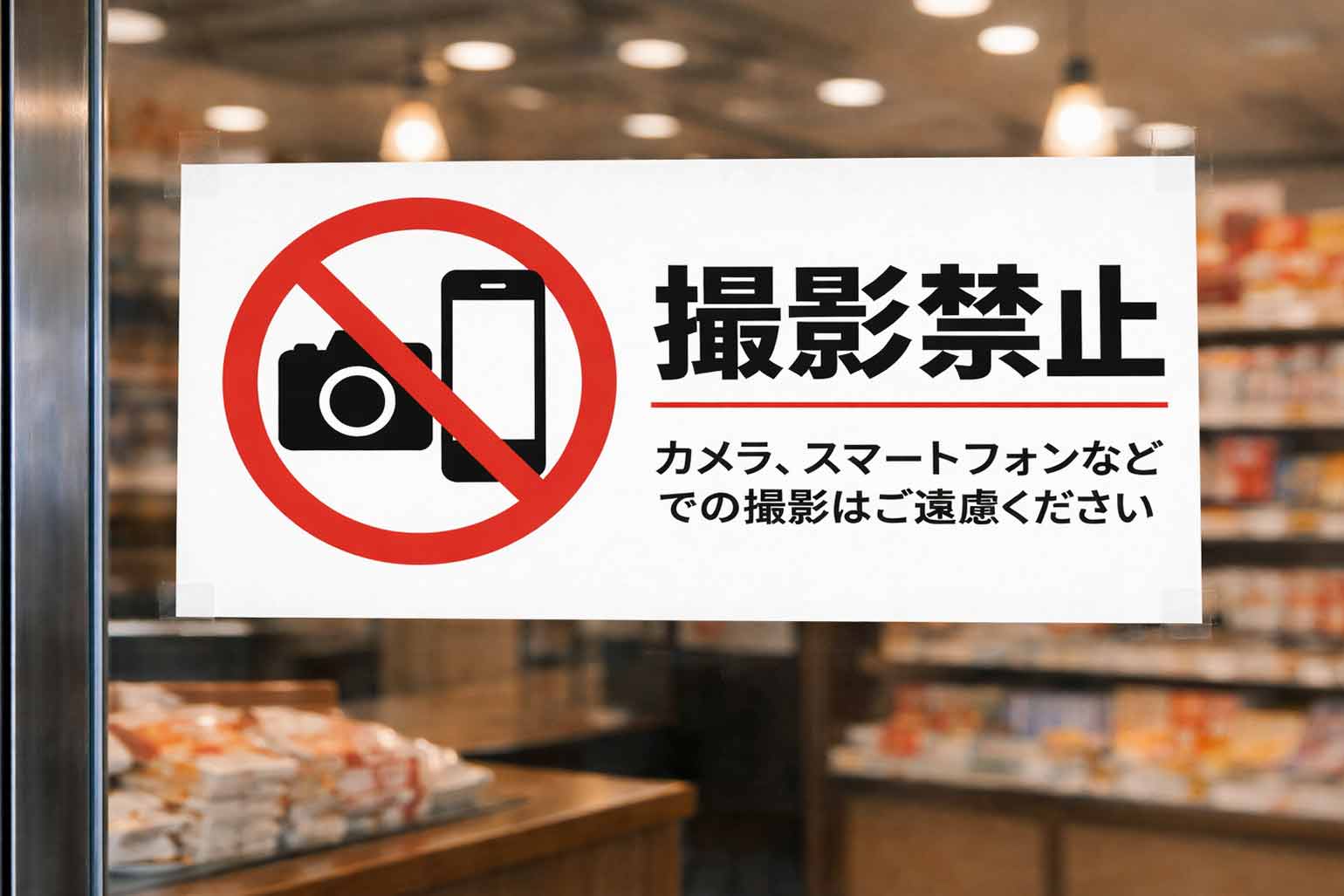
This topic has been causing quite a few troubles in recent years… It has become increasingly common for people from overseas to take photos and videos specifically for posting on social media and video sites. Recording memories at places like lodgings, tourist spots, and restaurants visited during travel is one of the great joys of the traveling experience. We really hope you’ll have a great time. But… The act of taking photos or videos has increasingly become a violation of etiquette in many cases. Photography or videography in areas where it is prohibited is obviously unacceptable, but fundamentally, any photography or videography in public places that causes discomfort to others is also a breach of etiquette. Deliberately engaging in disruptive behavior for the sole purpose of attracting attention through photos or videos is absolutely unacceptable. Please do exercise moderation.
Regarding Garbage Disposal
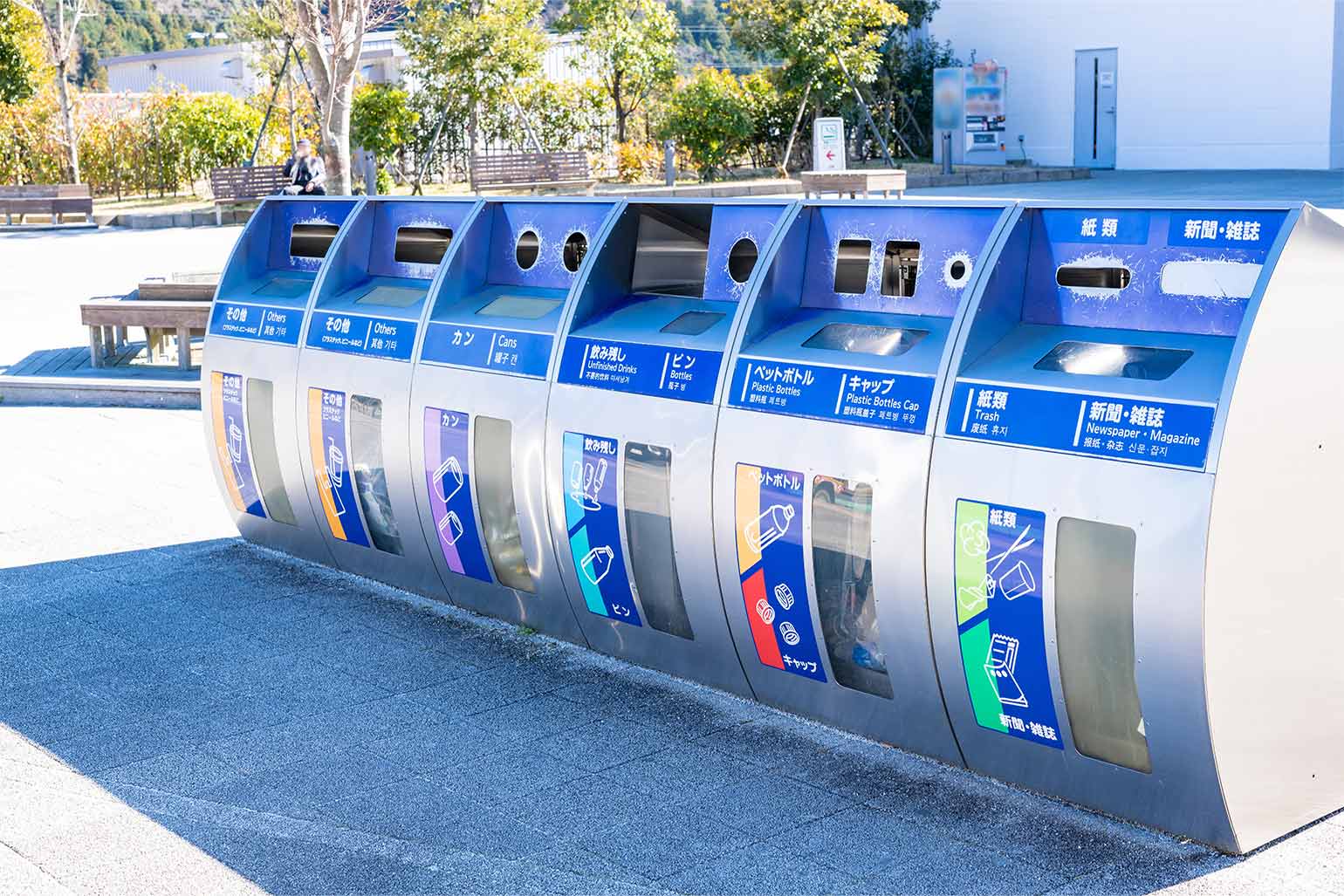
Until around the early 1990s, Japan had an enormous number of trash cans installed. In public buildings, transportation facilities, parks, general commercial establishments, corporate buildings, and so on… Trash cans were installed pretty much everywhere as a matter of course. Thanks to that, there was very little litter on the streets compared to other countries. However, starting around the late 1990s, primarily from the perspective of preventing terrorism, these trash cans gradually decreased in number year by year. In recent years, we have only seen them placed in commercial facilities, entertainment venues, restaurants, and similar establishments, or alongside vending machines. When you end up with trash while out and about, it’s definitely a hassle, isn’t it? Everyone probably wants to get rid of them properly as soon as possible. But, please be careful not to litter around there. Also, please never dispose of trash generated elsewhere in the trash bins located near vending machines at commercial facilities, entertainment venues, restaurants, and similar establishments. In some countries and regions overseas, so-called “littering” is often punished as outright illegal dumping, right? Currently, Japan isn’t that strict about it, but we would appreciate it if you could observe that as a matter of manner. Please carry a trash bag or similar item with you, and as a general rule, place your trash inside it and dispose of it in the appropriate location.





