 Language
 前に戻る
前に戻る



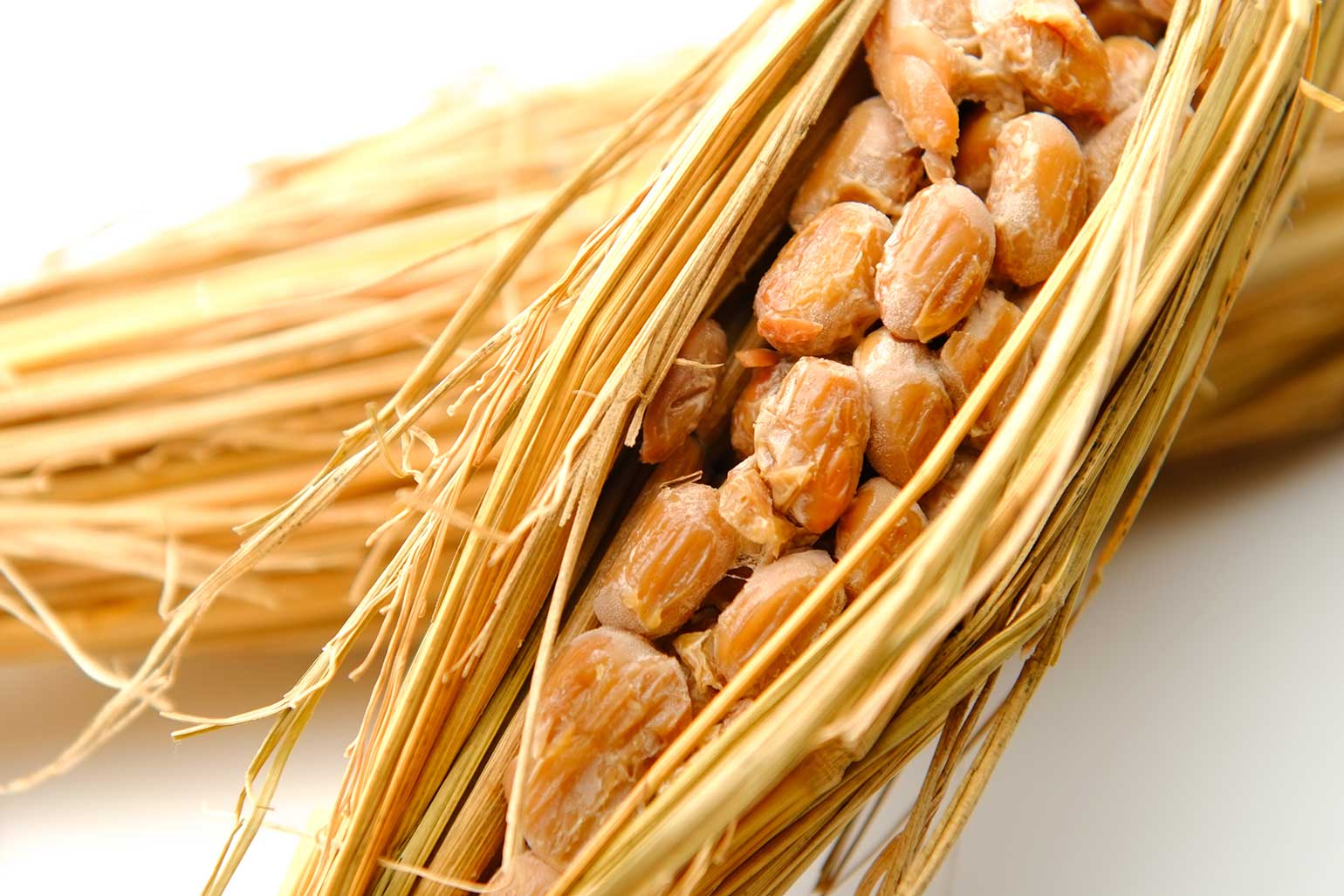
In this article, we would like to talk about Bacillus natto, which is indispensable for making natto. Bacillus natto is one type of bacteria called Bacillus subtilis. As you know, natto is a food created in Japan by fermenting soybeans. Miso and other foods made from fermented soybeans are said to have been introduced to Japan at least as early as the 8th century. There are various theories as to when natto was first produced, but it was not until the Edo period (1603-1868) that natto became commonly consumed. The scientific discovery that natto is produced by the fermentation action of the bacillus natto was made during the late Meiji to Taisho periods, when research was pursued in earnest. Through these studies, a hygienic and stable method of cultivating natto bacillus and natto production was established, and natto finally became popular as an everyday food in Japan during the Showa period (more precisely, after World War II). The food culture of eating natto spread mainly from the Kanto region and northward. This is the reason why natto is less commonly eaten in western Japan than in eastern Japan. Today, each manufacturer makes natto using a different natto bacillus for each product. In recent years, a new type of natto bacillus has been developed that can produce natto with a reduced smell and enhanced nutrition. Incidentally, there are three types of natto bacteria that are the original strains of those. They are the “Miyagino strain”, “Takahashi strain”, and “Naruse strain”.
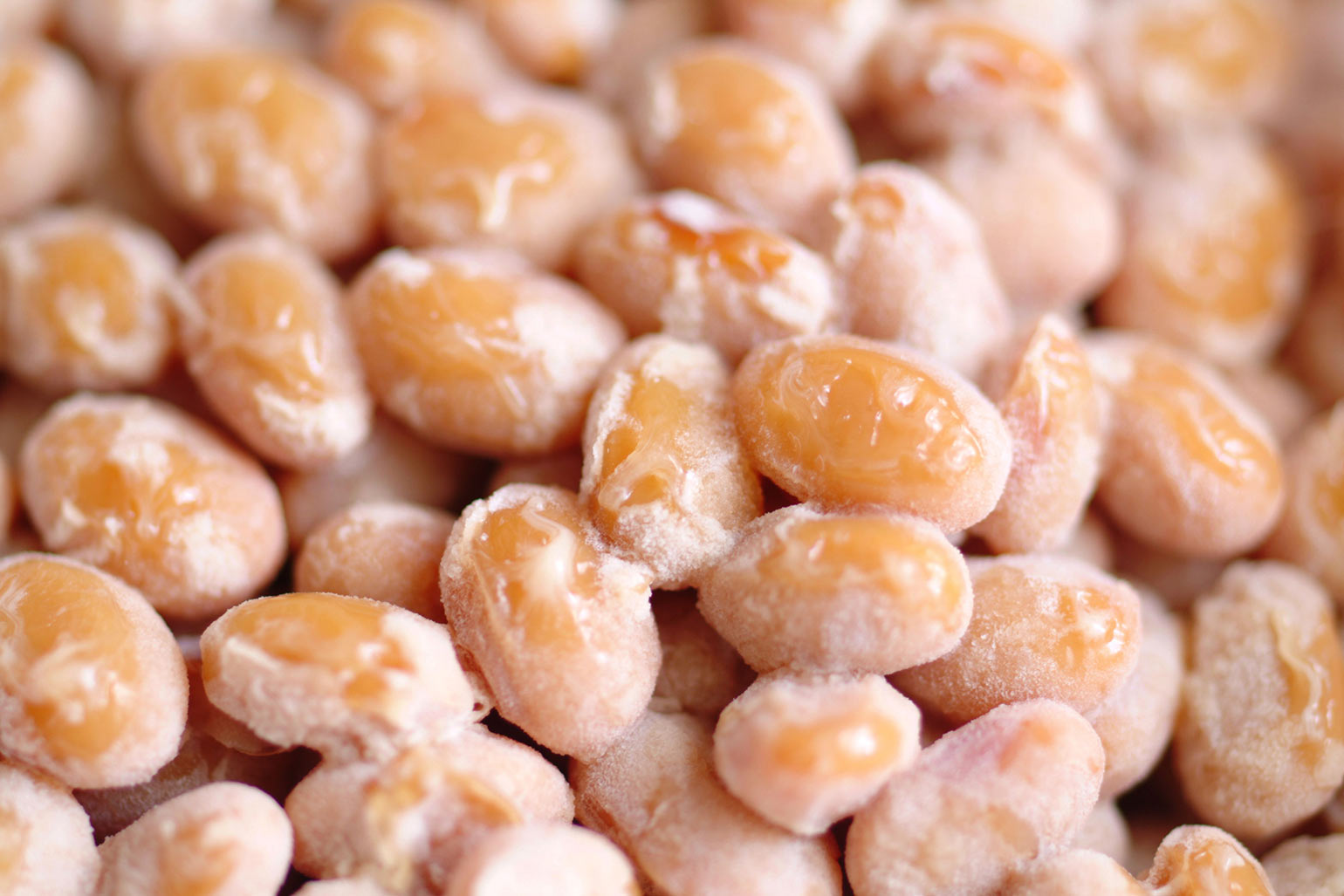
Bacillus natto is known for its very strong fertility and antibacterial activity. It has a very wide environmental range in which it can survive. It can withstand sub-zero temperatures, while exposure to 100°C hot water does not kill it. Furthermore, the bacillus has a high endurance to stomach acid, dryness, vacuum, and ultraviolet light… It also has a strong resistance to attack from other bacterial species. These amazing durability is due to the fact that Bacillus natto has an outer shell called a “spore”, which makes it less susceptible to the effects of the external environment. On the other hand, the fertility and antimicrobial activity of Bacillus natto are very detrimental to the production of other fermented foods. Their strong proliferative action eliminates the activity of other fungi and microorganisms… Well, it makes sense, since it was once even used as a kind of intestinal regimen prescribed for abdominal pain and diarrhea symptoms, doesn’t it? Therefore, it is strictly prohibited in environments where fermented foods using koji mold, yeast, lactic acid bacteria, etc. are handled. It is usually said that people who enter sake breweries, miso and soy sauce breweries, cheese, yogurt and other dairy products, and bread factories “do not eat natto”. It’s quite an interesting topic, isn’t it?
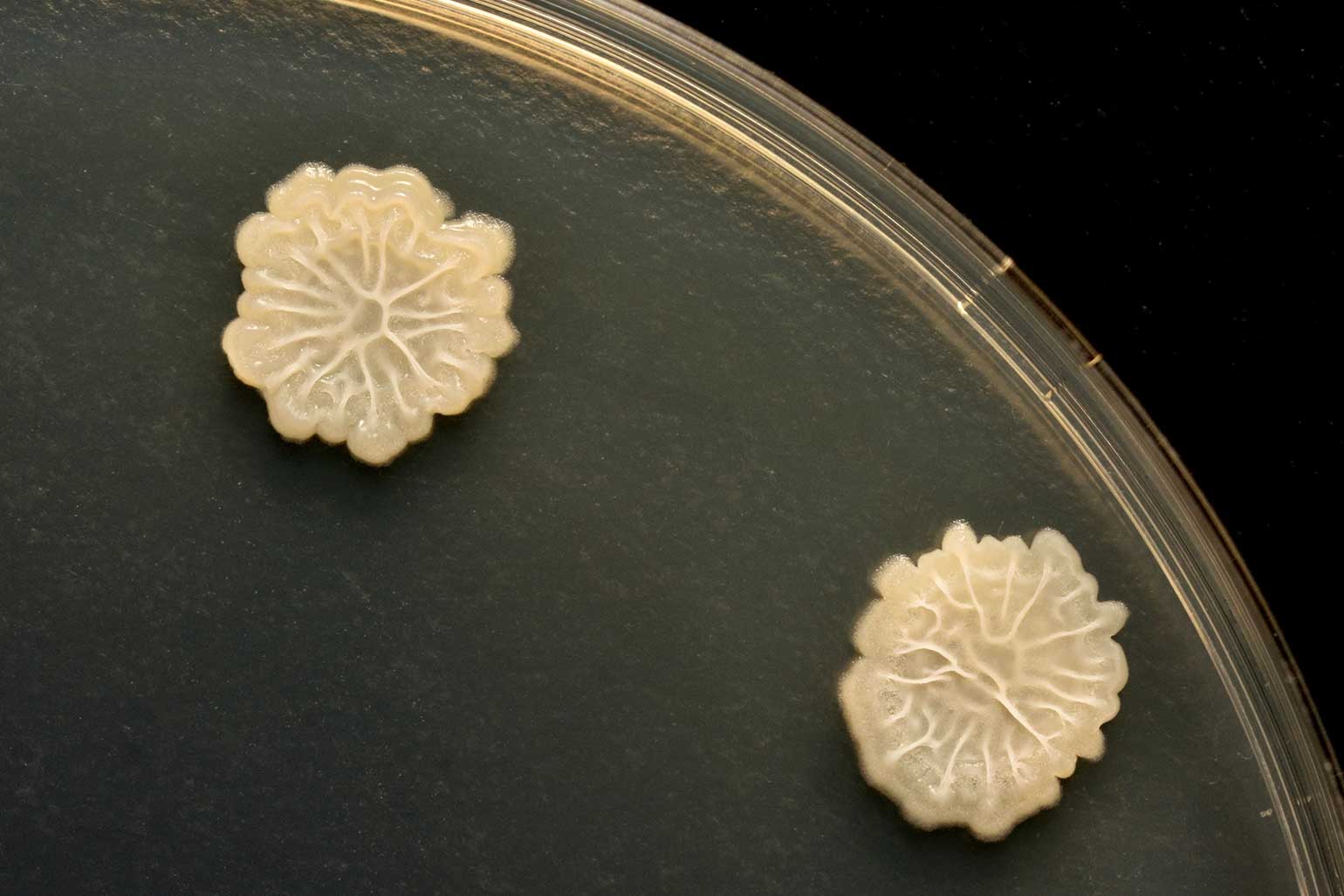
The natto bacillus is still widely studied today. It is expected to be used not only in the field of health food and drug development, but also in fields other than food. In the field of agriculture, biological pesticides to prevent crop diseases and research on their use for soil improvement are well known. It seems that many effects can still be expected from Bacillus natto~(≧▽≦)
_op.png)
_001.png)
_002.png)
_003.png)
_004.png)
_005.png)
_006.png)
_007.png)
_008.png)







