 Language
 前に戻る
前に戻る



In this article, we would like to introduce Japan’s representative surimi products in a bit more detail. Nowadays, Japanese surimi products can be found even in supermarket food sections overseas. You can also purchase them through online shopping. That said, there are still many products that can only be obtained by visiting Japan. Regarding such products, we would appreciate you trying them out if you have the good opportunity.
Well, well. Nowadays, surimi products come in all sorts of new and varied varieties. Each of those products has quite a few interesting differences from one another. The subtle differences in ingredients and preparation processes give each one a very distinct flavor and texture. Please do find many ones you like.
Kamaboko
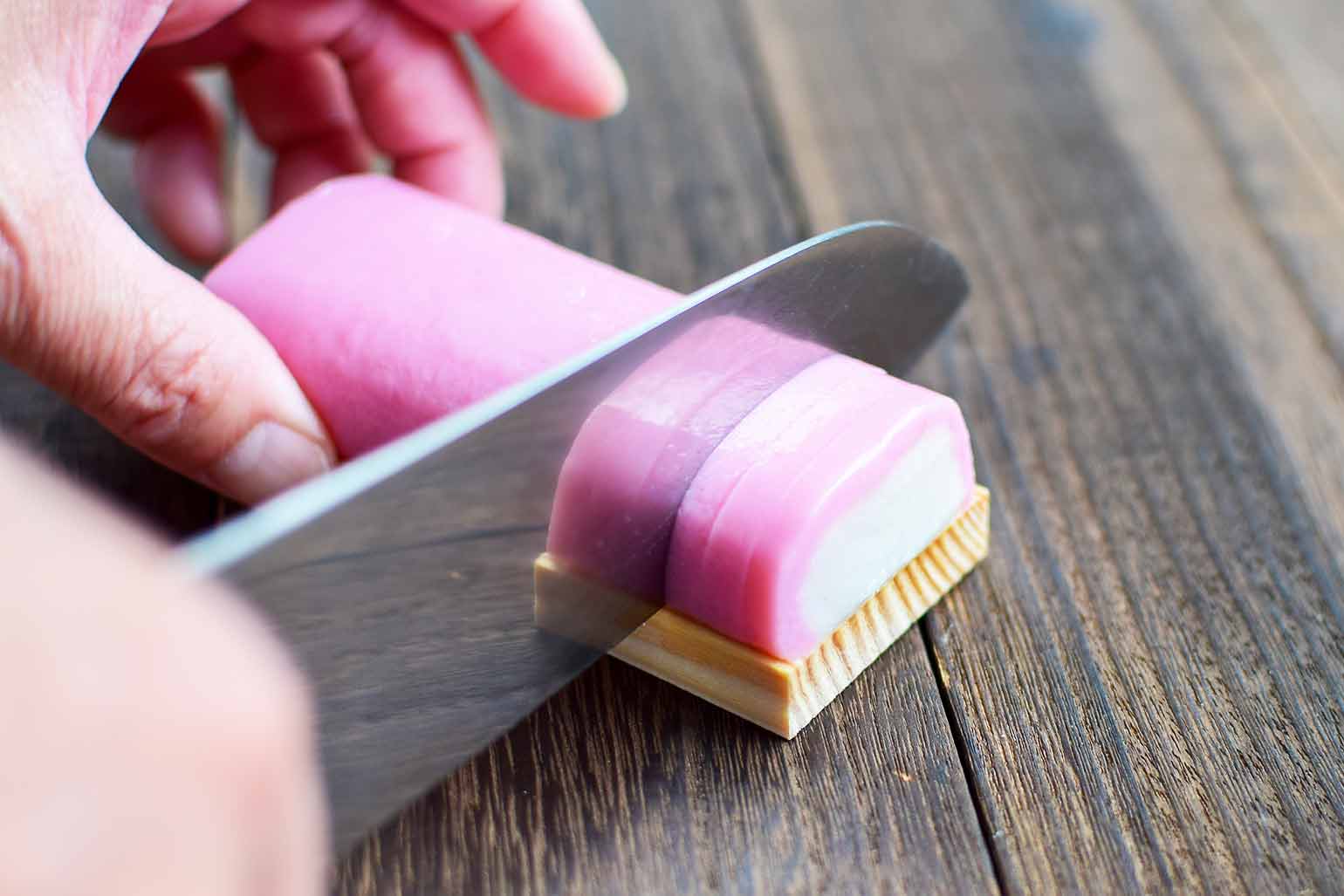
A type of fish paste product made by adding salt to ground seafood, shaping it, and then heating it. The primary seafood used as ingredients for kamaboko today includes walleye pollock, silver croaker, lizardfish, and blue shark… In addition to major fish species like sea bream, hairtail, and conger fish, ingredients also include squid, scallop adductor, and so on. Around the 12th century, when the precursor to kamaboko was first created in Japan, freshwater fish such as carp and catfish were the primary ingredients, rather than saltwater fish. By the way, we would also briefly explain the origin of the name “kamaboko”. “Kamaboko” is written in kanji like this “蒲鉾”. Kamaboko was originally made by wrapping ingredients around a bamboo stick to form a cylinder. It is said that it came to be called “kamaboko”, because its shape resembled gama(kama)-shaped spear. (※”Gama” is a cattail spike.) The original kamaboko seems to have been a food similar to what we now call chikuwa. Broadly speaking, kanikama(crab sticks), chikuwa, and satsumaage—which will be discussed later—are also types of kamaboko. Kamaboko is classified as follows based on differences in its heating method.
・Steamed kamaboko:
It is made by steaming processed seafood paste. Semi-cylindrical kamaboko molded onto boards made of cedar or similar wood, such as “Itatsuki-kamaboko(board-mounted kamaboko)”, is one of the representative types of steamed kamaboko. This kamaboko is a very common ingredient used as a colorful topping for noodles like udon and soba, as well as in simmered dishes, stir-fries, and other dishes, making it something you see quite often.
・Grilled kamaboko:
This is a type of fish cake made by grilling ground seafood paste. Examples include “Sasa kamaboko”, “shiroyaki kamaboko”, “grilled chikuwa” and “datemaki”. Many of them have become local specialties throughout the country.
・Fried kamaboko:
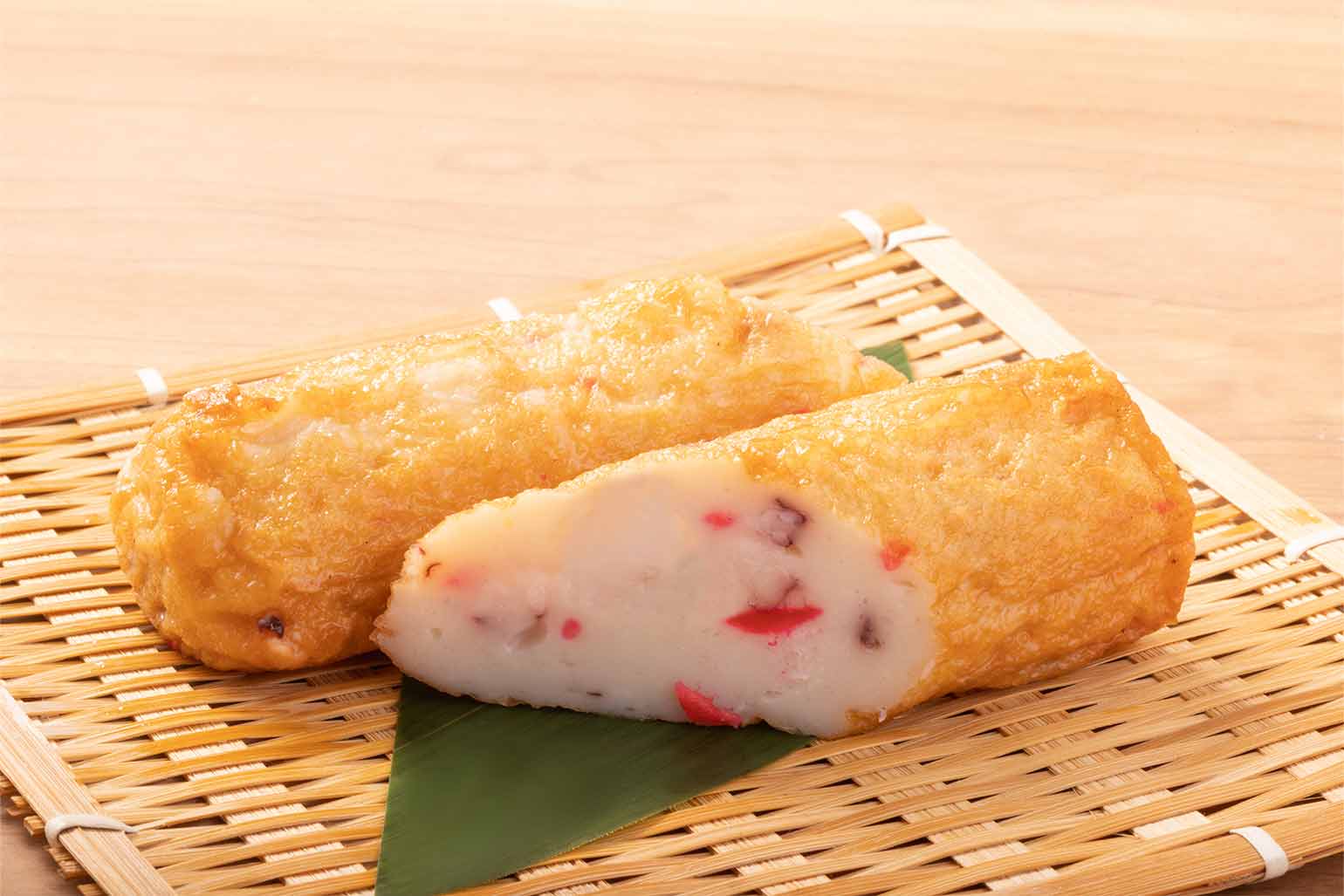
It is made by deep-frying seafood paste in oil. “Satsumaage” is one of the most representative types of fried kamaboko. Well-known examples include ones like “Gobo(Burdock root)-ten” and “Wiener rolls”, where minced fish paste is wrapped around ingredients, as well as “Baku-dan kamaboko”, where ingredients are encased in minced fish paste. Oden is a dish that uses representative fried kamaboko. Specialty shops offering a wide variety of fried kamaboko have also emerged, and in recent years, they’ve become hugely popular with overseas visitors. They are also commonly used as ingredients in simmered dishes, stir-fries, and other dishes.
・Boiled kamaboko:
They are made by boiling seafood paste in hot water. Examples include “Naruto”, “Tsumire” and “Hanpen”.
Kanikama (crab stick)
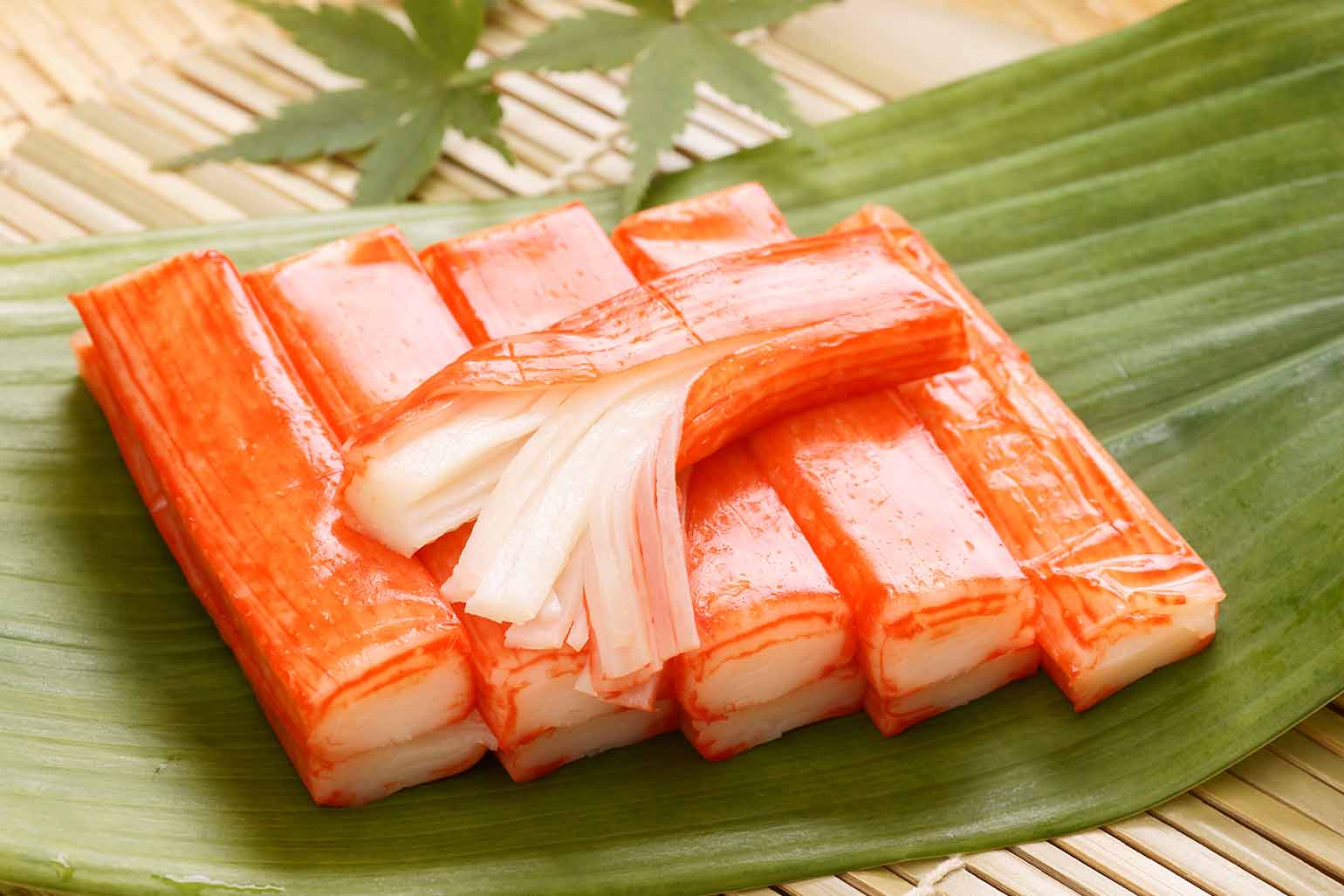
It seems to be called a crab-flavored surimi stick. These are types of kamaboko made to resemble crab meat in flavor, texture, shape, color, and other features. Since its introduction in the 1970s, it has become a beloved kamaboko product among the Japanese. It’s popular worldwide now, isn’t it? However, despite being a type of kamaboko that wasn’t created all that long ago, it’s become unclear which product is the original one. In recent years, high-quality products have been developed that more closely resemble real crab meat in terms of flavor, texture, shape, color, and other characteristics. Kanikama is a kamaboko whose future development is worth keeping an eye on.
Chikuwa
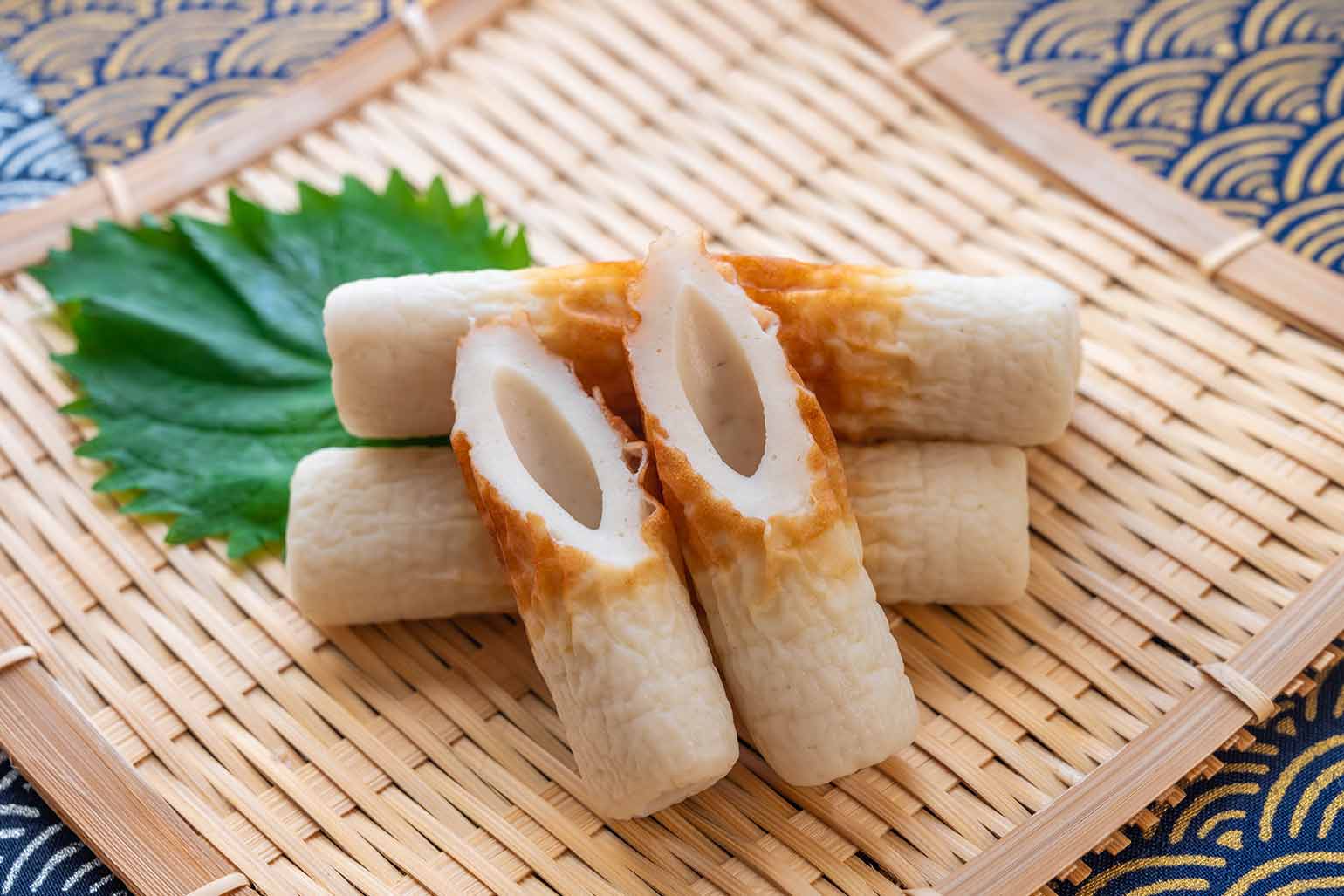
It is made by wrapping seafood paste around a stick-shaped object in a cylindrical shape and then heating it. Its characteristic feature is that it is hollow inside like a bamboo stalk. Heating methods vary by product, including grilling, steaming, frying, and boiling. Is the most commonly known one the grilled version?
Satsumaage
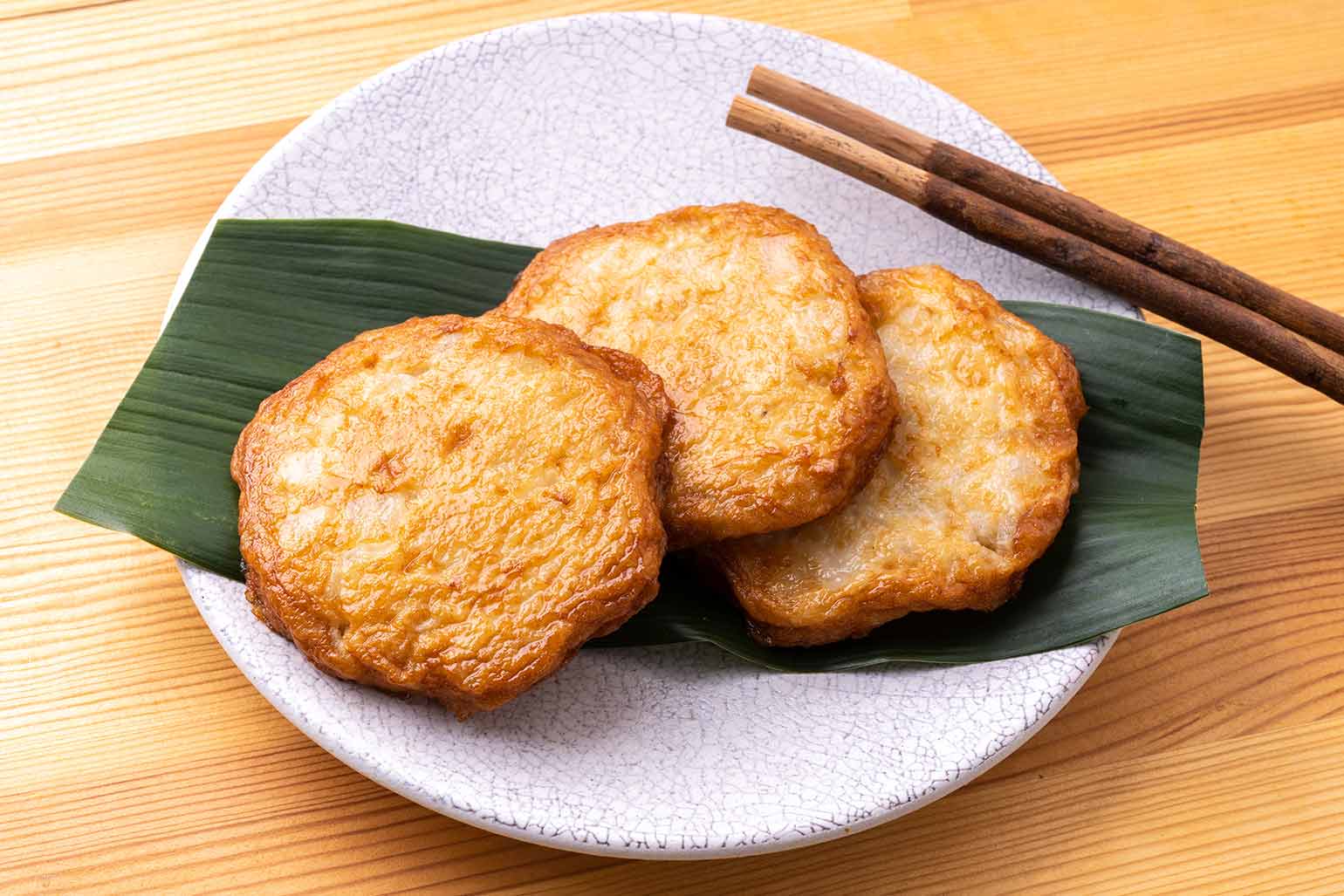
Satsumaage is made by adding seasonings to fish or shellfish paste, shaping it, and deep-frying it. In eastern Japan, it’s called “satsuma-age”, while in western Japan, it’s sometimes called “tempura”. Furthermore, in the Kagoshima (Satsuma) region, it is also called “tsukeage”. Some varieties incorporate ingredients such as onions, green onions, pickled red ginger, and unground seafood, as well as seasoning ingredients.
Fish sausage
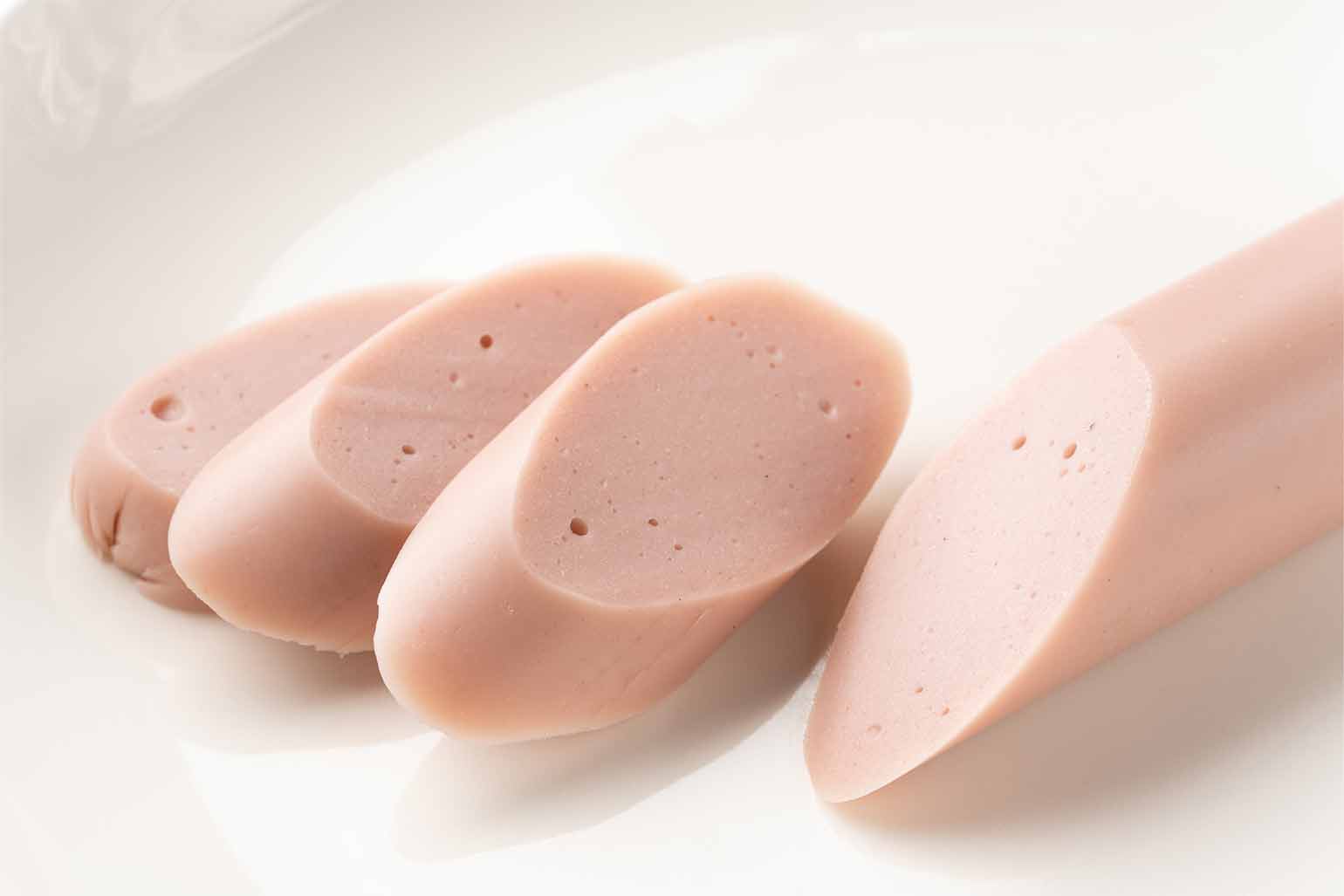
The mixture of pollock surimi, pork fat, seasonings, spices, starch, egg whites, and other ingredients is stuffed into casings and then sterilized under high pressure and high temperature in a retort sterilization autoclave. Since the Meiji/Taisho era, the spread of Western cuisine in Japan led to a demand for improved preservation methods for seafood. And so, development of ham and sausage products made from seafood ingredients progressed across the country. Following these developments, fish sausage was finally created shortly after the end of World War II. There were numerous occasions when they faced various challenges, such as improving food preservatives in raw materials, declining demand due to domestic overconsumption following the period of rapid economic growth, and soaring raw material costs caused by restrictions on fishing waters. However, through years of development and marketing efforts by manufacturers, it has now become a popular healthy food ingredient. It might be considered a very popular kamaboko product even overseas.
Tsumire
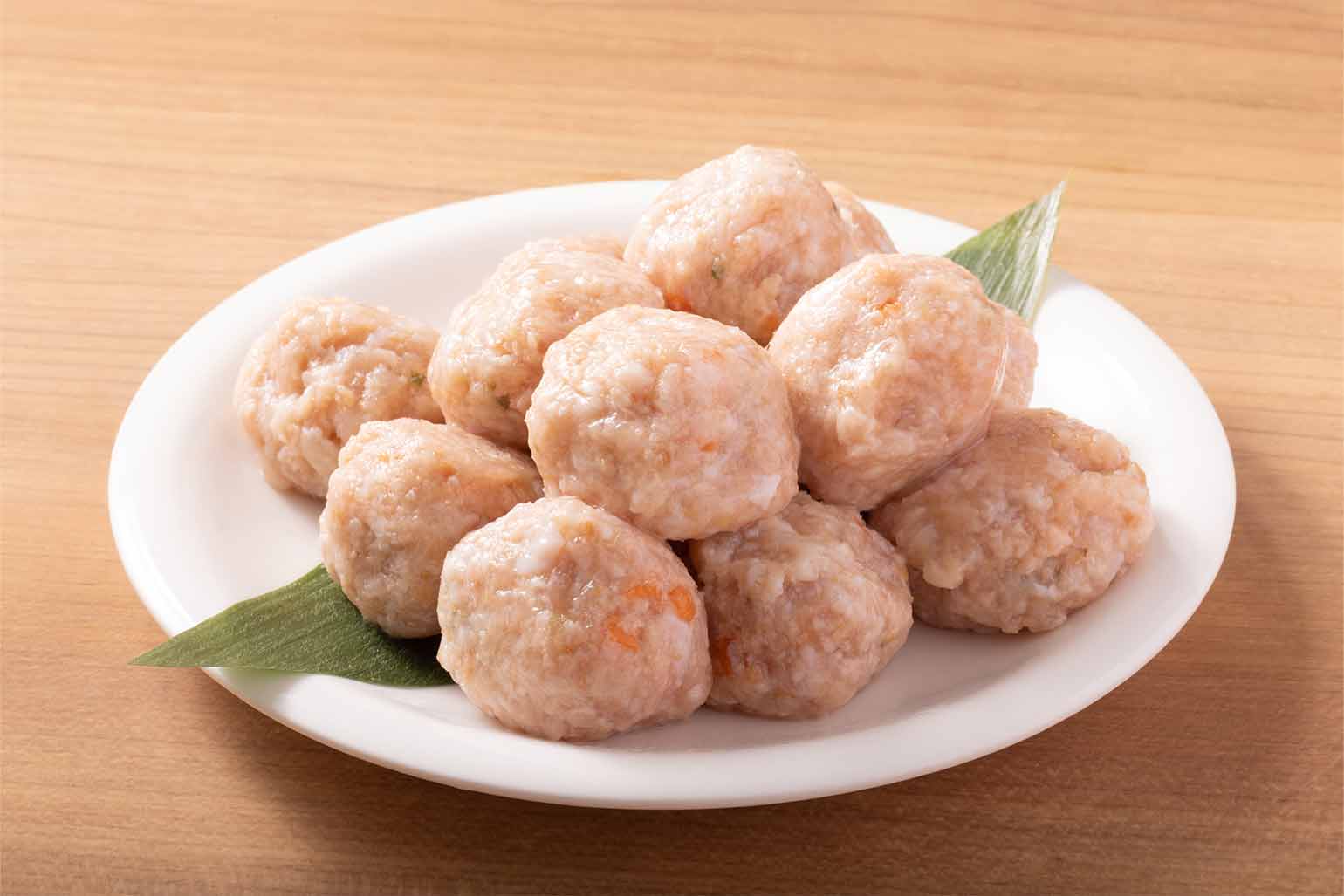
It most commonly refers to products made primarily from fish paste derived from blue-backed fish such as sardines, horse mackerel, and Pacific saury, though some varieties also use chicken or pork. There are quite a few similar food products made using the same method overseas. Many commercially available products are also popular surimi products because they are easy to make at home.





